Black Eyed Peas for Babies: Best Iron-Rich Sweet Potato Mash (7 Steps)
 Save / Pin It
Table of Contents
Why Your Family Will Love This black eyed peas for babies
Cooking this authentic black eyed peas for babies at home brings wholesome pediatric nutrition right to your dining table. Specially crafted with balanced spices, clean ingredients, and zero artificial preservatives, this foolproof black eyed peas for babies is both kid-approved and deeply nourishing.
Nutritional Highlights for Growing Kids
Ingredients for Authentic black eyed peas for babies
- Dry Black-Eyed Peas (Lobia / Cowpeas) (Soaked for 4 hours in warm water to reduce phytates) 1/3 cup (60g)
- Fresh Sweet Potato (Shakarqandi) (Peeled and diced into 1/2-inch uniform cubes) 1/2 cup (70g)
- Filtered Clean Water (For pressure cooking until squishy) 1.5 cups (360ml)
- Pure Desi Cow Ghee (Healthy brain-building fats and digestive lubrication) 1/2 tsp
- Roasted Cumin (Bhuna Jeera) Powder (Aids baby tummy digestion and prevents colic) 1/4 tsp
- Turmeric (Haldi) Powder (Natural antioxidant and gentle color) 1 pinch
- Hing (Asafoetida) (Helps prevent infant abdominal bloating) 1 tiny pinch
Foolproof 7 Micro-Steps (Step-by-Step Instructions)
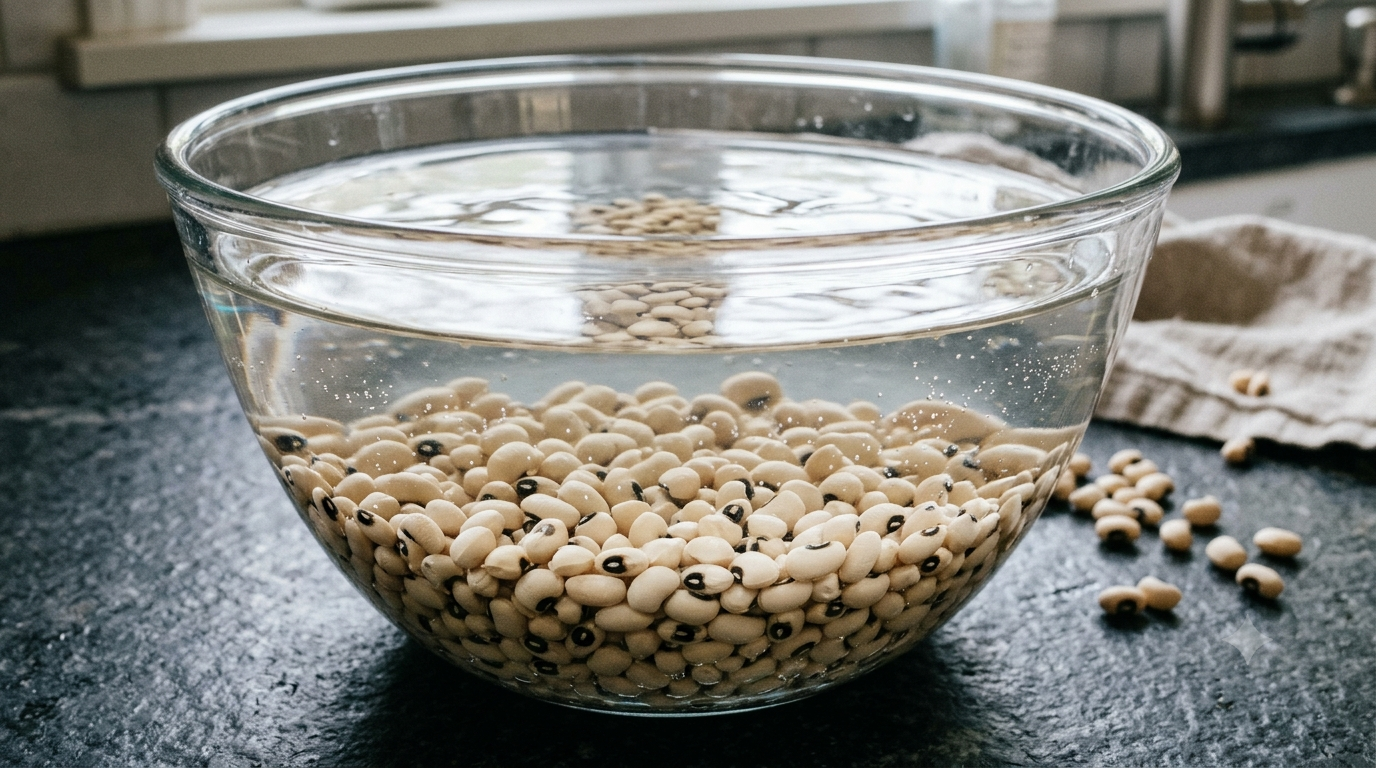
Step 1: Soak Lobia to Break Down Phytates
Rinse black-eyed peas thoroughly and soak in warm filtered water for 4 hours. Drain and rinse once more before cooking.
Step 1: Soak Lobia to Break Down Phytates
Step 2: Cube Fresh Sweet Potato
Peel a firm, fresh sweet potato and dice into small 1/2-inch cubes so it cooks at the exact same pace as the soaked lobia.
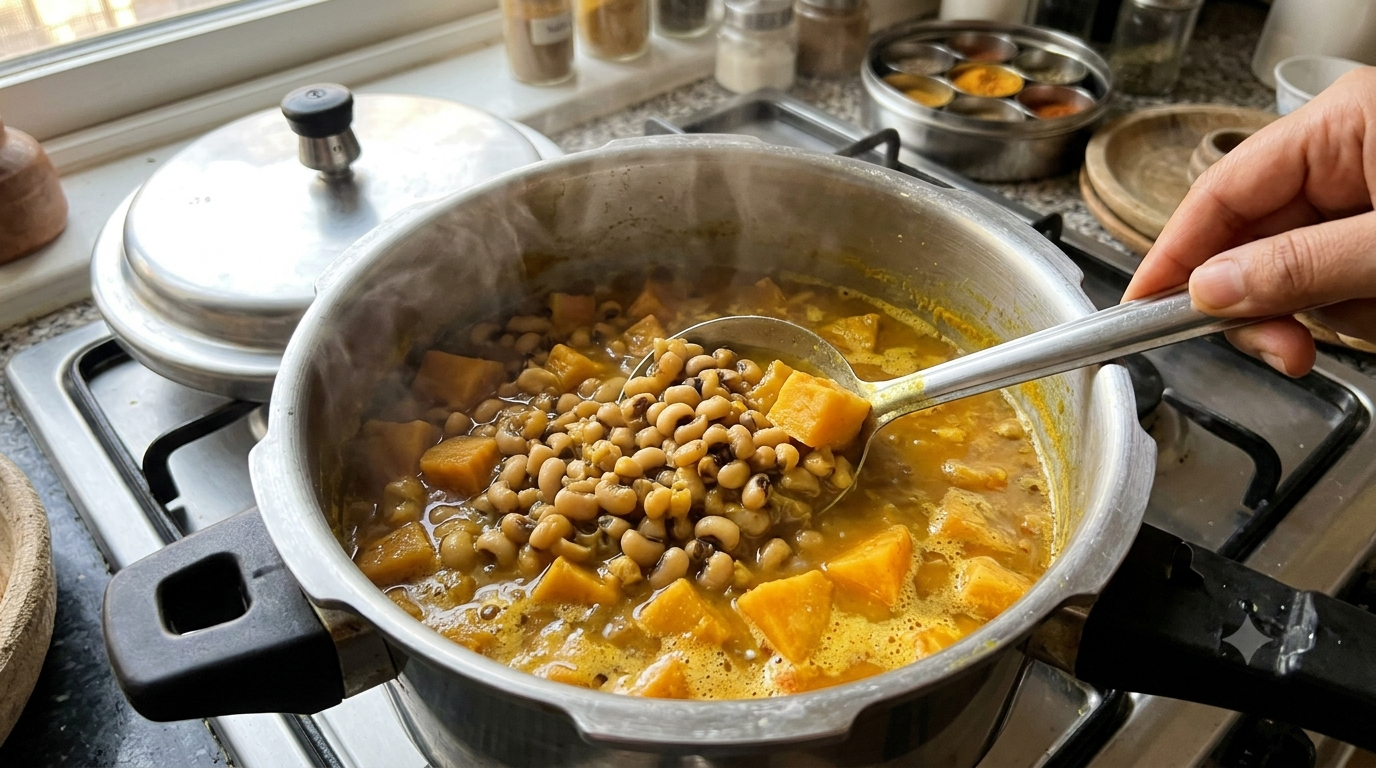
Step 2: Cube Fresh Sweet Potato
Step 3: Pressure Cook Until Completely Squishy
Add drained lobia, sweet potato cubes, turmeric, hing, and 1.5 cups of water into a mini pressure cooker. Cook for 5 whistles on medium flame.
Step 3: Pressure Cook Until Completely Squishy
Step 4: Allow Natural Pressure Release
Turn off heat and let the cooker depressurize naturally for 10 minutes so residual heat continues tenderizing the legume skins.
Step 4: Allow Natural Pressure Release
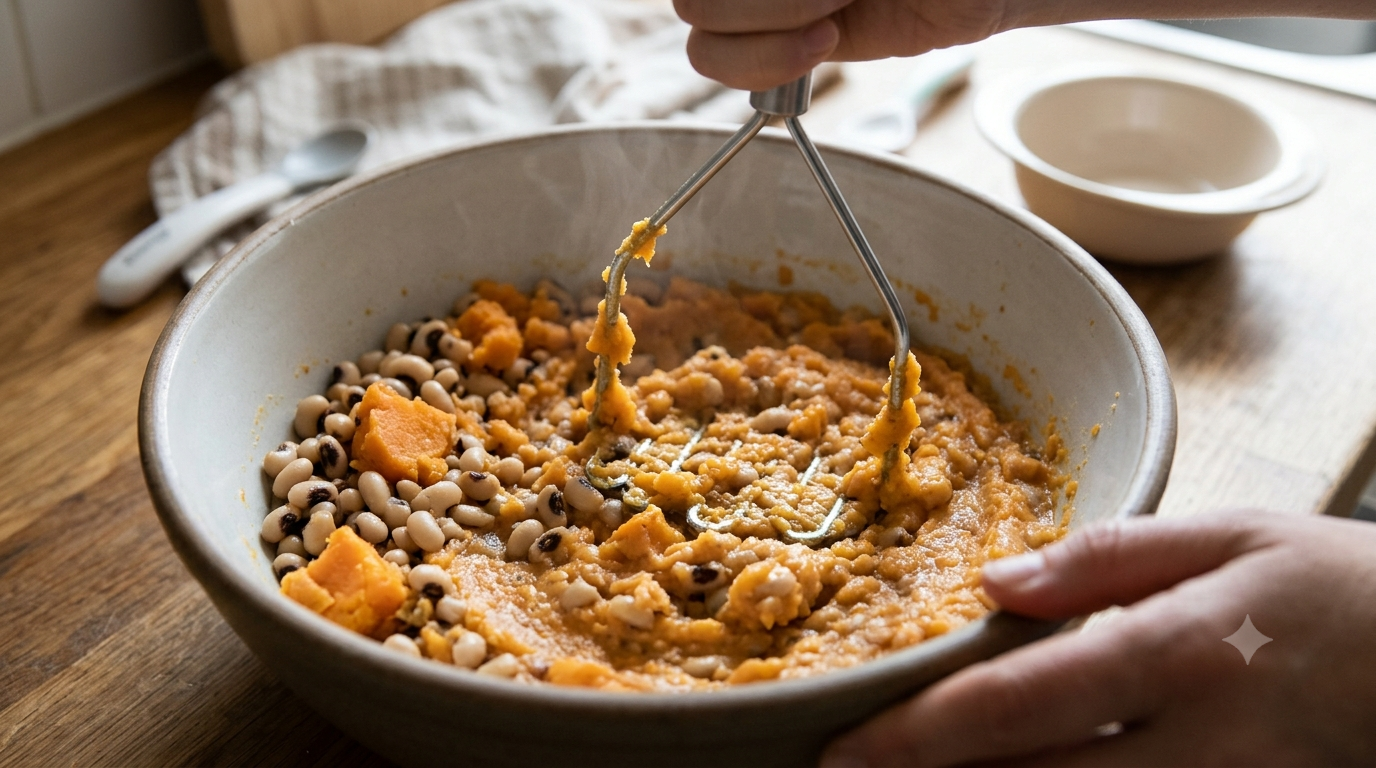
Step 5: Mash to Stage-Appropriate Texture
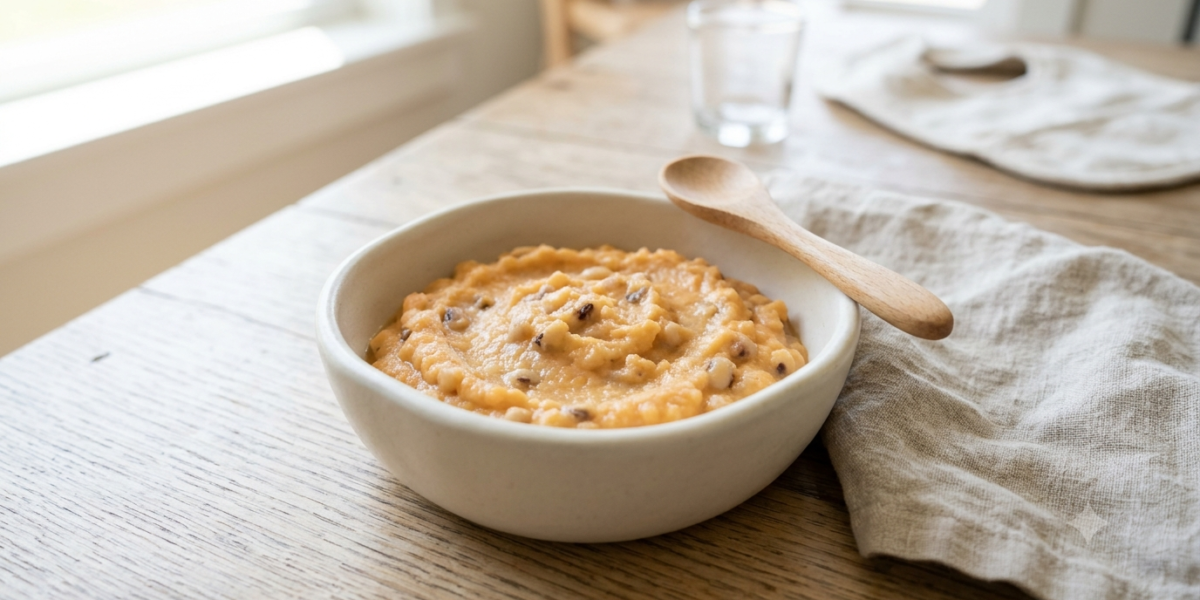
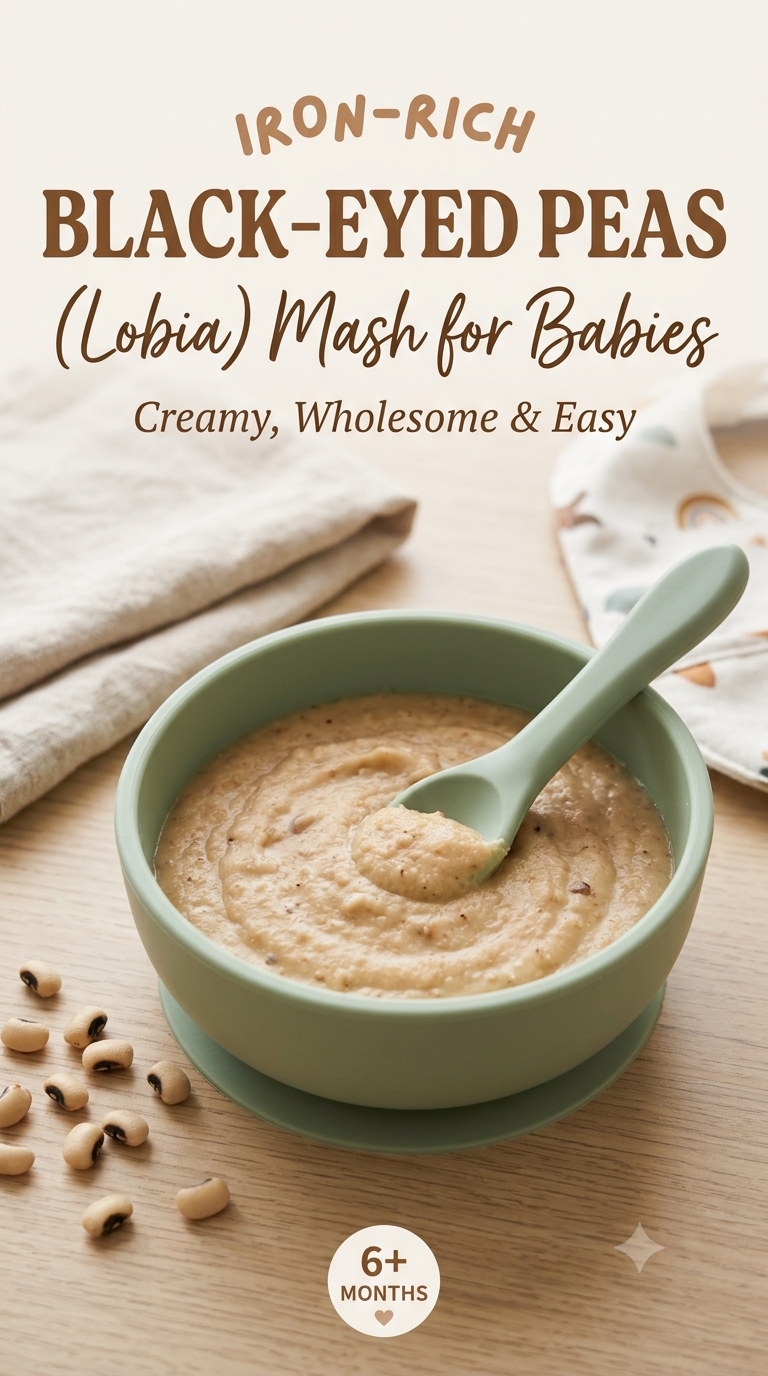
For babies 6 to 8 months, puree with cooking broth in a blender until silky smooth. For older babies (9M+), mash with a fork for soft, textured lumps.
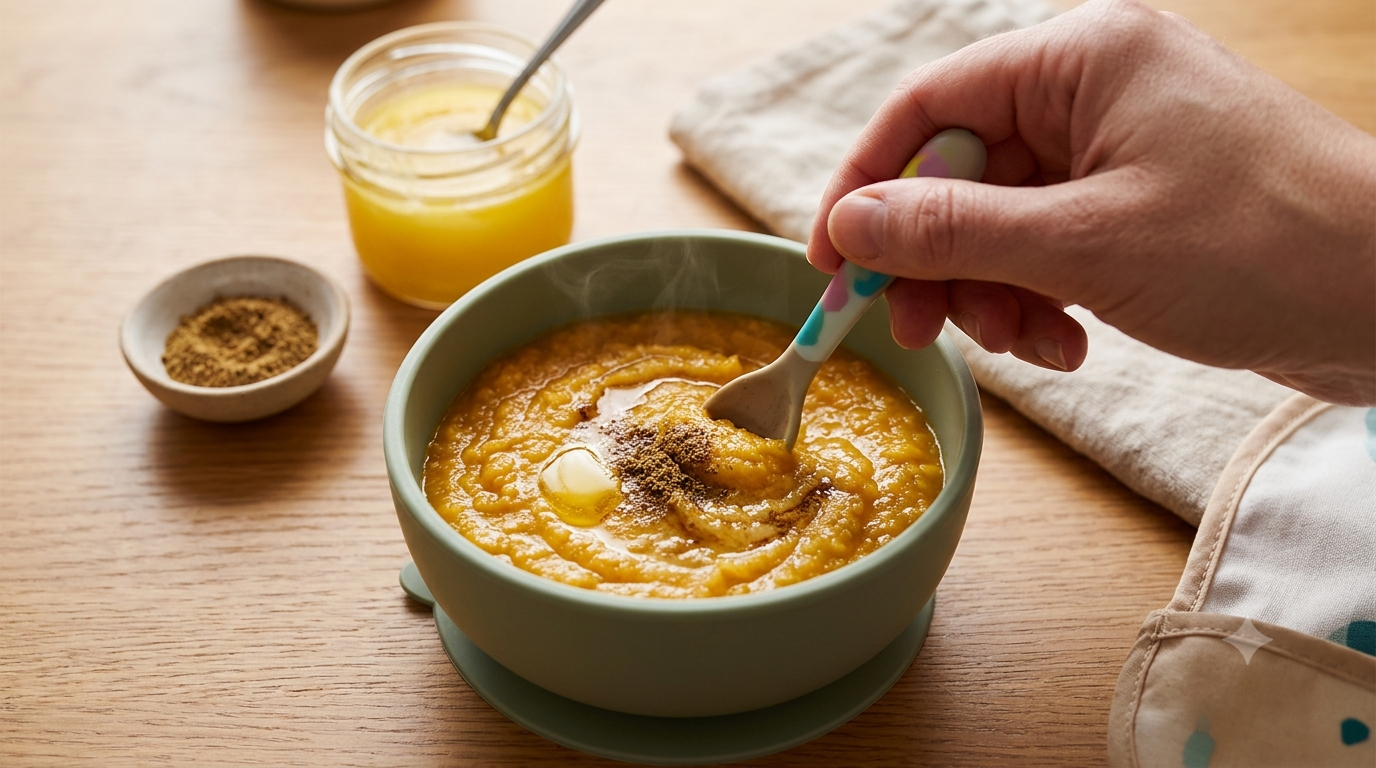
Step 6: Temper with Ghee and Cumin
Warm half a teaspoon of desi ghee in a mini ladle with roasted cumin powder for 10 seconds, then stir directly into the warm mash.
Step 7: Check Temperature and Feed Warm
Test the warmth on your wrist. Serve with a soft silicone spoon for a satisfying, nutrient-rich lunch.
Mom’s Kitchen Tips
- Sweet potato naturally cuts any bean bitterness and gives the puree a lovely golden color that infants find visually appealing.
- Always reserve the nutrient-rich cooking broth to adjust consistency rather than using plain cold water.
Common Mistakes to Avoid
- Never add salt for babies under 12 months to protect their developing kidneys.
- Do not feed whole black-eyed peas to infants as their round shape can be a choking hazard.
Smart Ingredient Swaps & Storage
Substitutions:
- Substitute sweet potato with steamed pumpkin or sweet carrots.
- Use olive oil instead of cow ghee if you are following a strict vegan or dairy-free weaning path.
Storage & Reheating: Portion into silicone freezer trays and freeze for up to 1 month. Thaw overnight in the refrigerator and warm over a hot water bath before feeding.
Frequently Asked Questions About black eyed peas for babies
At what month can babies eat black eyed peas (lobia)?
Lobia can be safely introduced from 7 to 8 months once single-ingredient vegetable purees and yellow moong dal have been tolerated well.
Do black eyed peas cause infant colic or tummy gas?
They are among the easiest legumes to digest. Soaking well and adding a pinch of hing and cumin ensures smooth, comfortable digestion.
Can I serve this as a finger food for baby-led weaning?
Yes, mash slightly drier, shape into soft 2-inch long finger logs, and pan-sear lightly with ghee so your baby can grip it easily.
Does lobia provide enough iron for babies?
Yes, 1/3 cup of cooked black-eyed peas provides nearly 1.5mg of non-heme iron, which is enhanced by the vitamins in sweet potato.
Save This black eyed peas for babies on Pinterest!
Looking for More Nutritious Kid-Friendly Ideas?
Explore our complete collection of wholesome, tested toddler breakfasts, 15-minute school lunchboxes, and gut-healthy weaning ideas.
Browse All Recipes →Modern Desi Power Plates
30-minute balanced desi high-protein meal plans designed for busy families & picky eaters. Zero refined junk.
Join Our Newsletter
Get tested, wholesome weekday dinner ideas and toddler-friendly snack hacks sent straight to your inbox.
Published on November 26, 2026 · TastyTykes.com