Sattu Paratha Recipe – The Bihari Breakfast That Keeps You Full for Hours
⬇ Jump to Recipe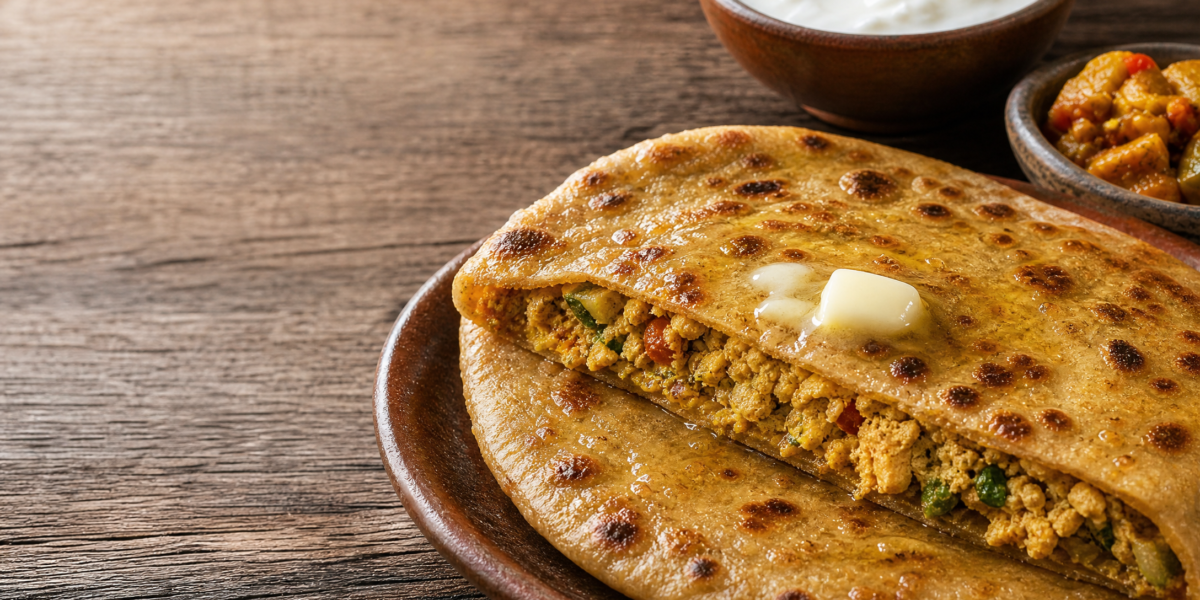
There are breakfasts that satisfy you for a little while, and then there are breakfasts that keep you going well into the afternoon. Sattu paratha belongs in the second category.
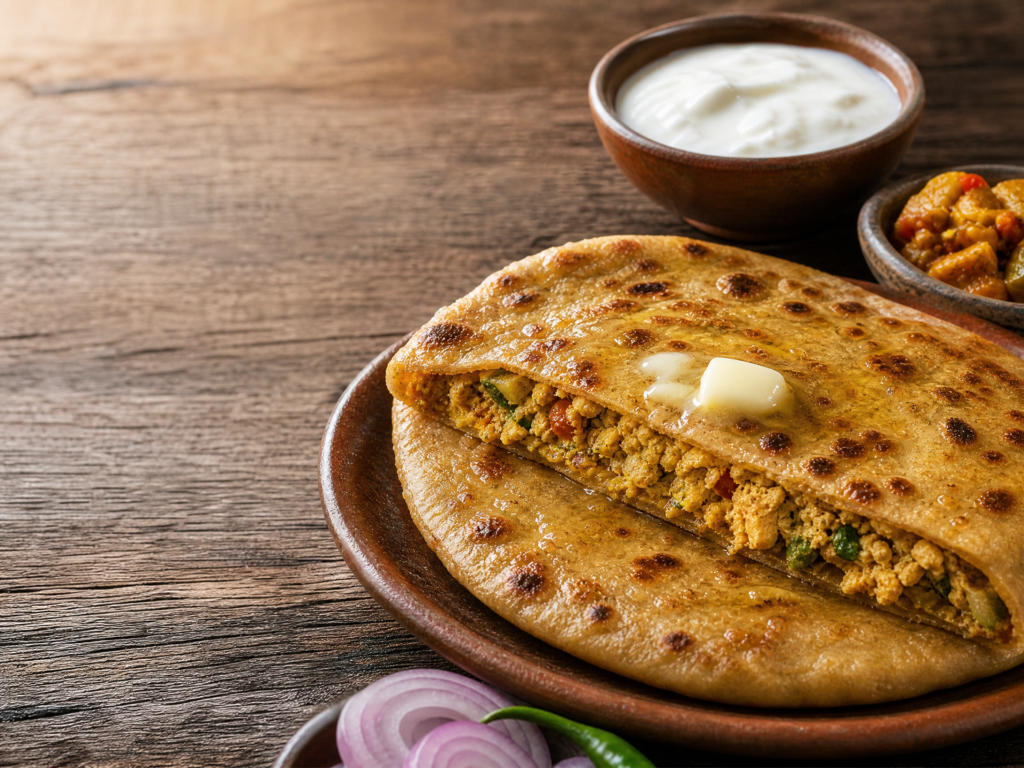
In many homes across Bihar and parts of Jharkhand, this isn’t considered a special weekend meal. It’s everyday food—simple ingredients transformed into something deeply satisfying. A hot paratha fresh from the tawa, a bowl of cool curd, a spoonful of pickle, and a cup of chai are often all that’s needed to start the day.
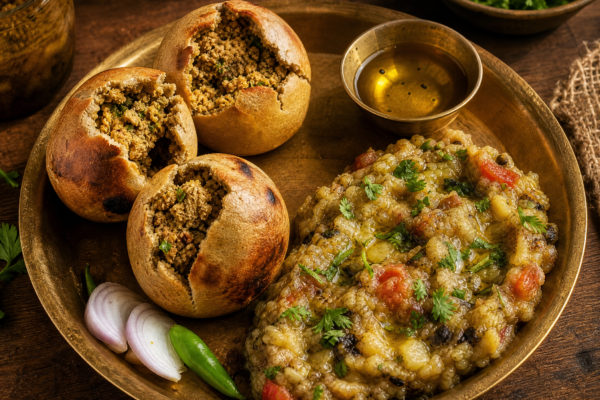
If you’ve already made our Litti Chokha, the flavor of this filling will feel familiar. The same roasted sattu that gives litti its earthy, nutty taste works beautifully inside a soft whole wheat paratha. The result is quicker to prepare, easier to pack for lunch, and just as comforting.
Unlike many stuffed parathas that rely on potatoes or paneer, sattu creates a filling that’s light yet surprisingly satisfying. The roasted gram flour absorbs the spices and mustard oil, giving every bite a bold flavor without feeling heavy.
Why This Recipe Has Stayed Popular for Generations
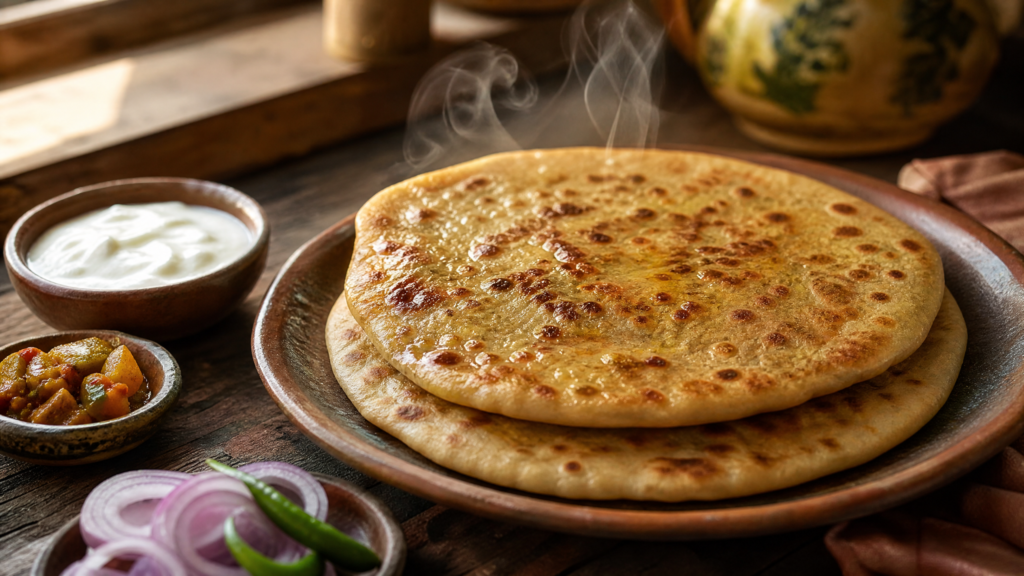
Some recipes survive because they’re fashionable. Others survive because they simply work. Sattu paratha has remained a breakfast favorite for generations because it checks nearly every box. The ingredients are affordable, the preparation is straightforward, and the meal stays filling for hours.
Roasted gram flour naturally contains protein and fiber, while whole wheat flour provides slow-releasing carbohydrates. Together, they create a meal that doesn’t leave you hungry an hour later.
A High-Protein Breakfast That Doesn’t Break the Bank
In a world where “high protein” often comes with a high price tag—think expensive protein powders, imported avocados, or premium cuts of meat—Sattu Paratha is a refreshing exception.
It is often called the “poor man’s protein,” but there is nothing poor about its nutritional profile. For just a few rupees per serving, you get a breakfast that rivals any expensive health food. Most of the ingredients—sattu, wheat flour, onions, and basic spices—are likely already in your pantry.
By choosing Sattu Paratha, you aren’t just eating a traditional meal; you’re making a smart, budget-conscious decision for your health. It’s proof that eating well doesn’t have to be expensive.
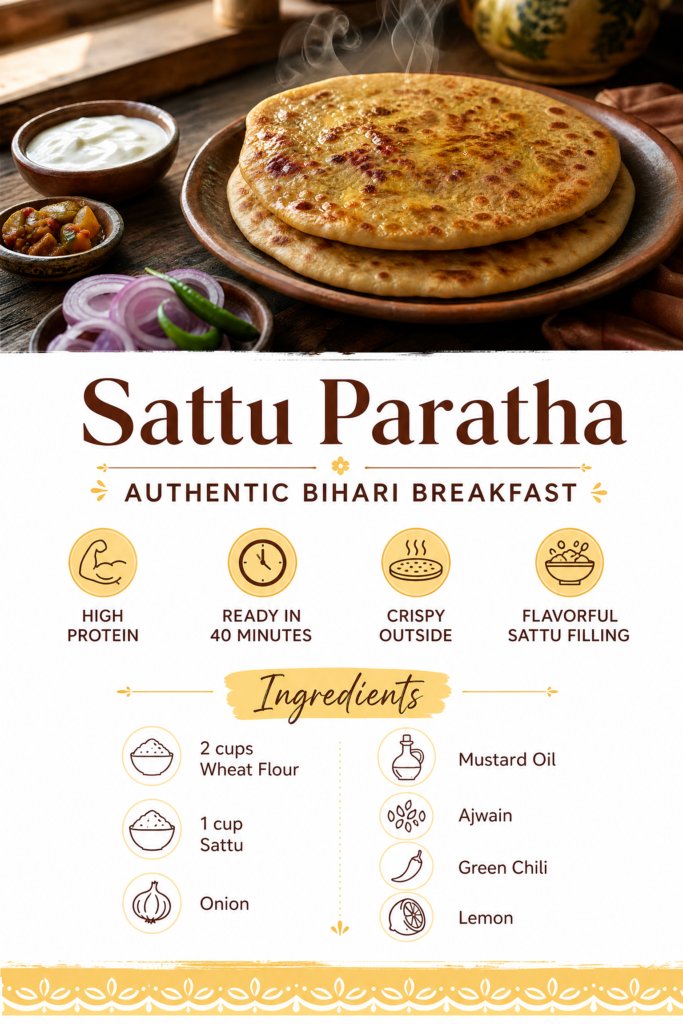
There’s another reason people keep coming back to it—the flavor. Mustard oil adds a sharp, distinctive aroma. Finely chopped onions bring freshness. Green chilies add gentle heat, while ajwain gives the filling its unmistakable earthy fragrance. A squeeze of lemon ties everything together with just enough tanginess to keep the stuffing from tasting dry.
None of these ingredients are expensive, yet together they create something far more satisfying than their simplicity suggests.
Everything You’ll Need
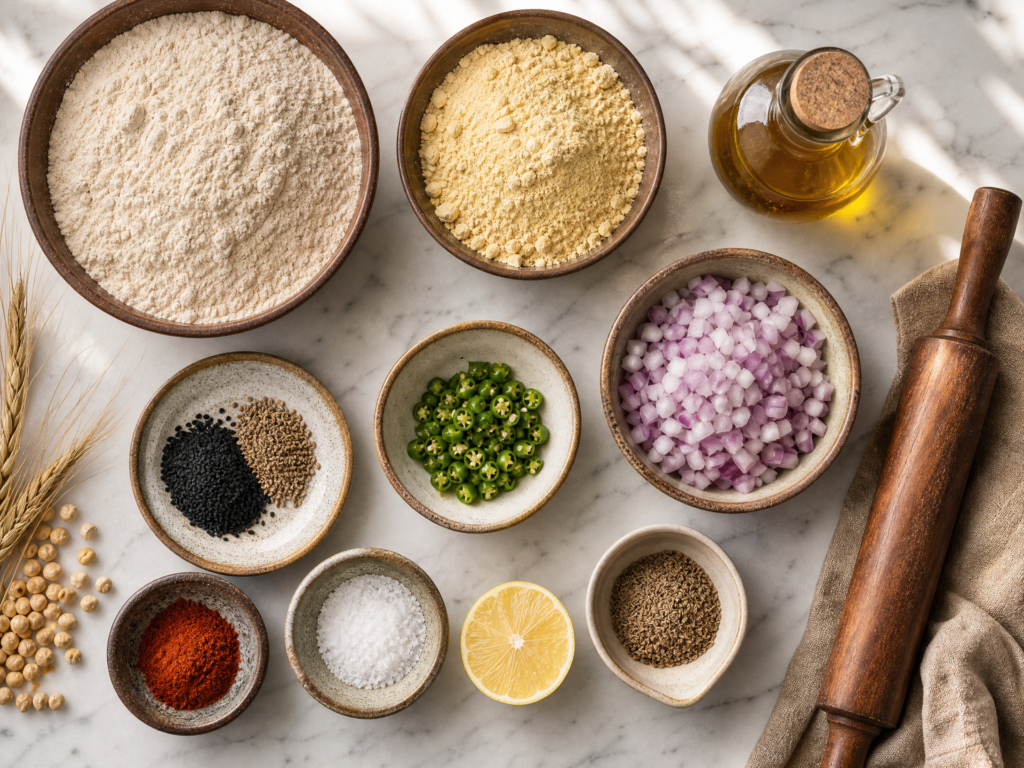
For the Dough
- 2 cups whole wheat flour
- 1 tablespoon oil
- A pinch of salt
- Water as needed
For the Filling
- 1 cup sattu (roasted gram flour)
- 1 small onion, finely chopped
- 2 green chilies, finely chopped
- 1 tablespoon mustard oil
- 1 teaspoon ajwain
- ½ teaspoon kalonji (optional but recommended)
- Juice of half a lemon
- A pinch of red chili powder
- Salt to taste
- A few tablespoons of water
For Cooking
- Ghee or oil
Tip: If you still have leftover sattu stuffing from our Litti Chokha recipe, don’t let it go to waste. It works perfectly here and saves several minutes of preparation.
Before You Start
The dough should feel soft and flexible—not sticky and not stiff. The filling should also have the right texture. This is where many first-time cooks run into trouble. Dry stuffing won’t hold together inside the paratha. Too much water turns it pasty and makes rolling almost impossible.
Aim for a mixture that clumps together easily when pressed in your hand. If it falls apart, sprinkle in another spoonful of water. If it becomes sticky, mix in a little more sattu until the balance feels right. Taking a minute to get this right makes the rest of the recipe much easier.
Let’s Cook
Making sattu paratha isn’t difficult, but it does reward a little patience. The first one might not be perfectly round—and that’s completely normal. By the second or third, you’ll find the rhythm.
Step 1: Prepare the Dough
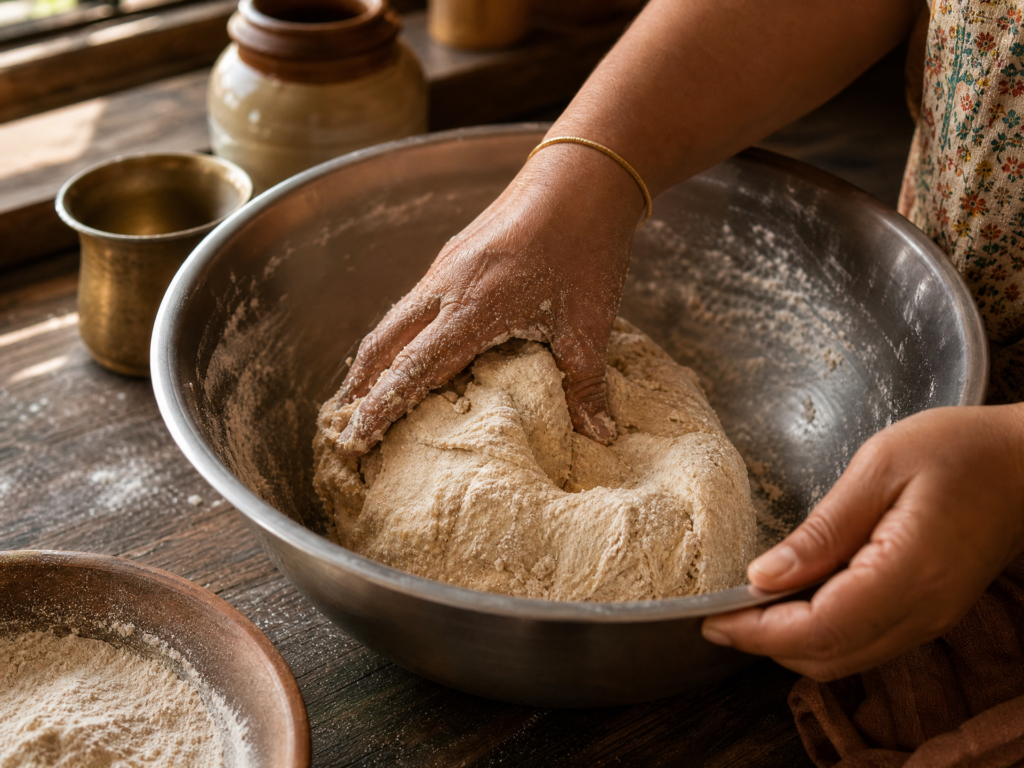
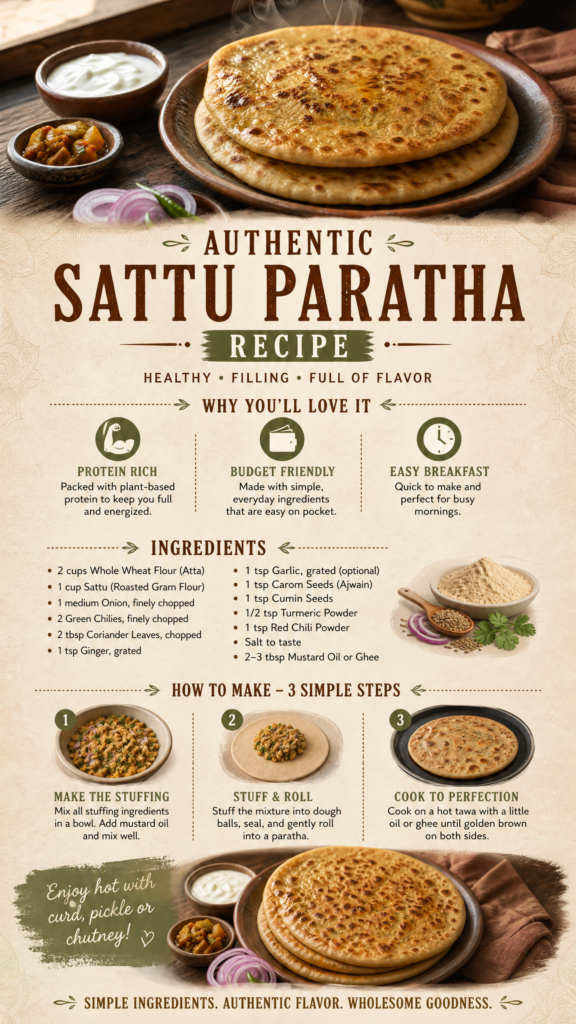
Combine the whole wheat flour, salt, and oil in a large bowl. Rub the oil into the flour with your fingertips before adding water little by little. Mix until a soft dough comes together. It should feel smooth and pliable, similar to roti dough. Cover it with a damp cloth or plate and let it rest for about 20 minutes. This short resting time makes a noticeable difference. The gluten relaxes, making the dough easier to roll without springing back.
Step 2: Mix the Filling
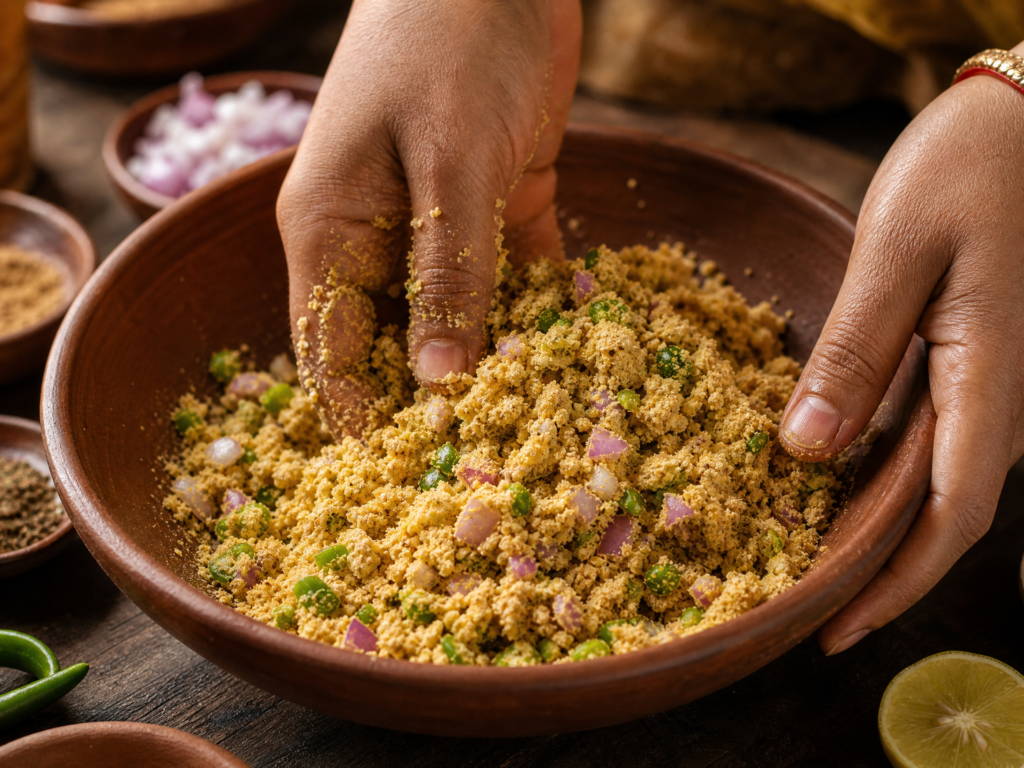
In another bowl, combine the sattu, chopped onion, green chilies, ajwain, kalonji, red chili powder, salt, mustard oil, and lemon juice. Now add water one tablespoon at a time. Don’t rush this step. You’re not trying to make a paste. The mixture should be moist enough to hold together when pressed, yet loose enough to crumble apart with your fingers.
Step 3: Stuff the Paratha
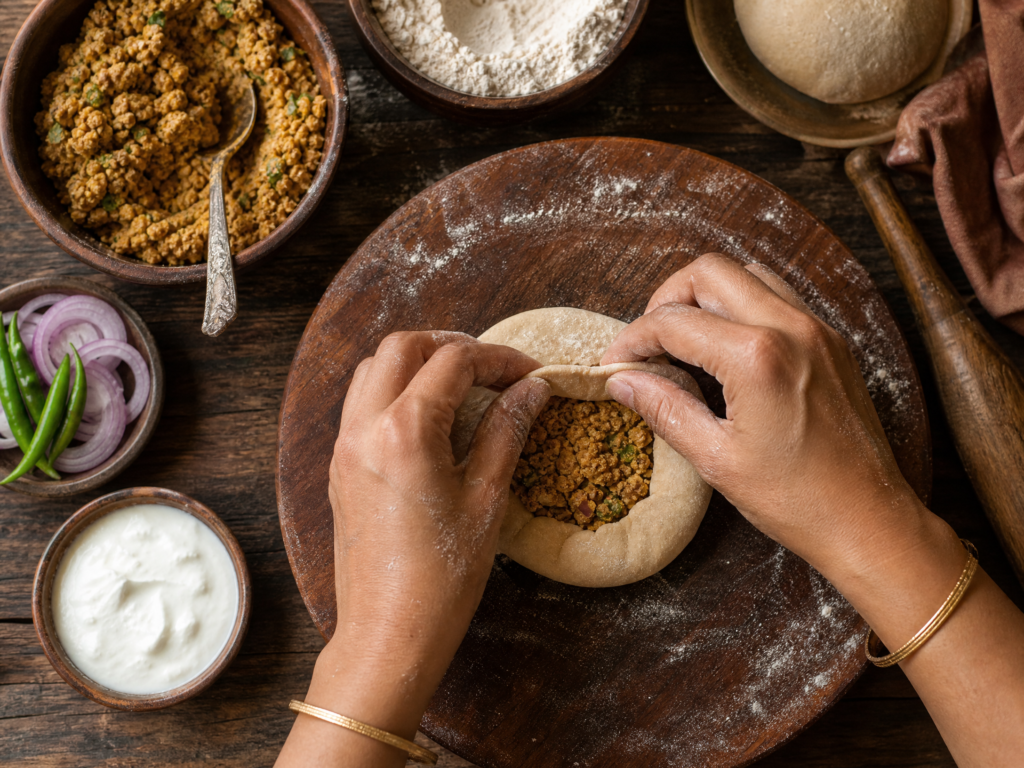
Divide the dough into equal-sized balls. Flatten one ball into a small disc, keeping the center slightly thicker than the edges. Place a generous spoonful of filling in the middle. Bring the edges together and pinch them closed firmly. Make sure there are no openings where the filling can escape. Turn the sealed side downward and gently flatten it with your palm.
Step 4: Roll It Carefully
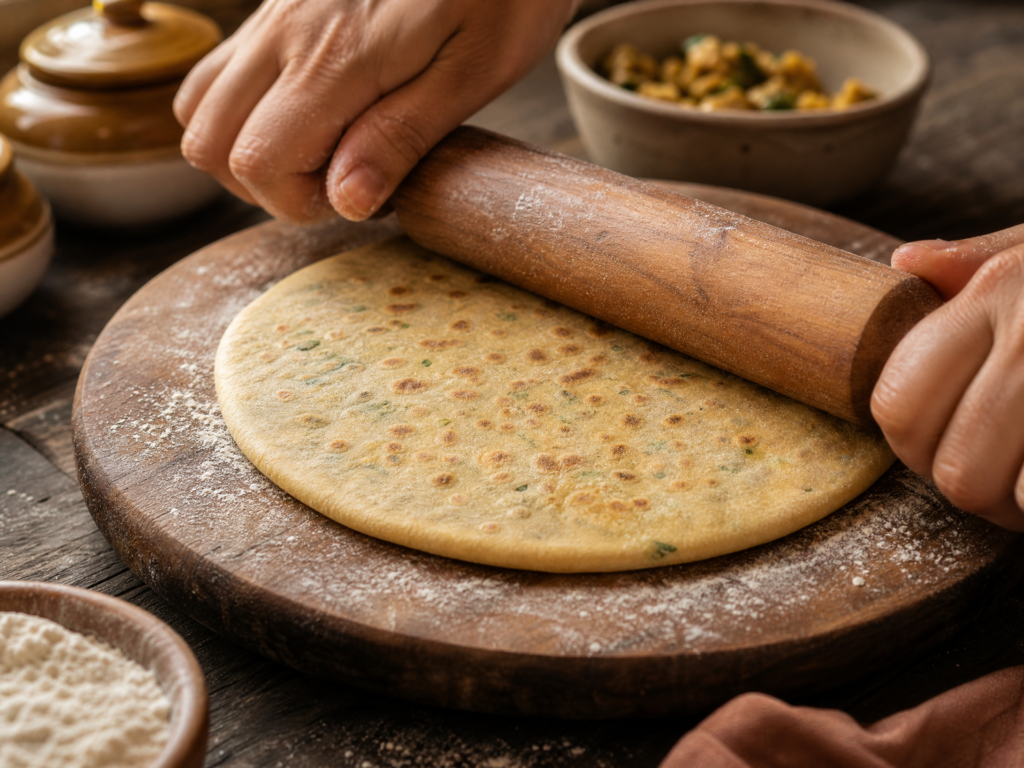
Dust both sides with a little flour. Using light pressure, roll from the center outward while rotating the dough after each roll. This helps the filling spread evenly without collecting on one side. Don’t worry if the paratha isn’t a perfect circle. Homemade parathas are meant to look homemade. If you notice a tiny crack, dust it with a little flour and continue rolling gently instead of pressing harder.
Step 5: Cook on a Hot Tawa
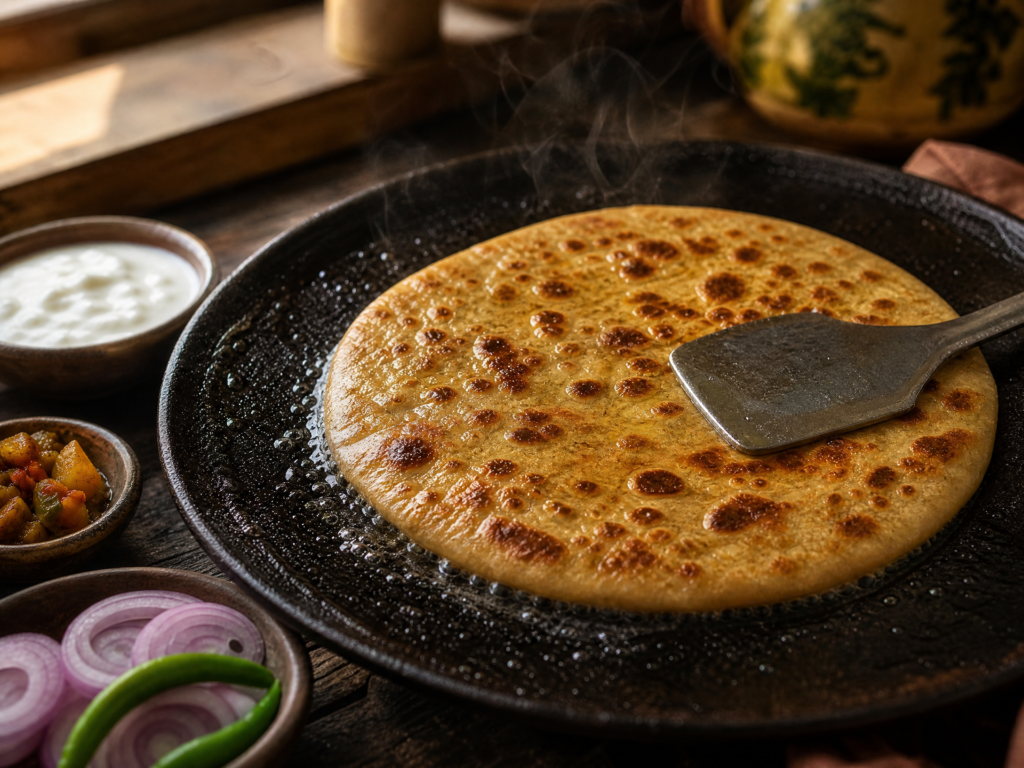
Heat a tawa over medium heat before placing the paratha on it. When small bubbles begin to appear, flip it over. Spread a little ghee on the cooked side, flip again, and repeat on the other side. Press gently around the edges with a spatula as it cooks. Within a few minutes, you’ll notice golden brown spots forming across the surface. The outside becomes crisp while the filling stays soft and flavorful.
Step 6: Serve Immediately
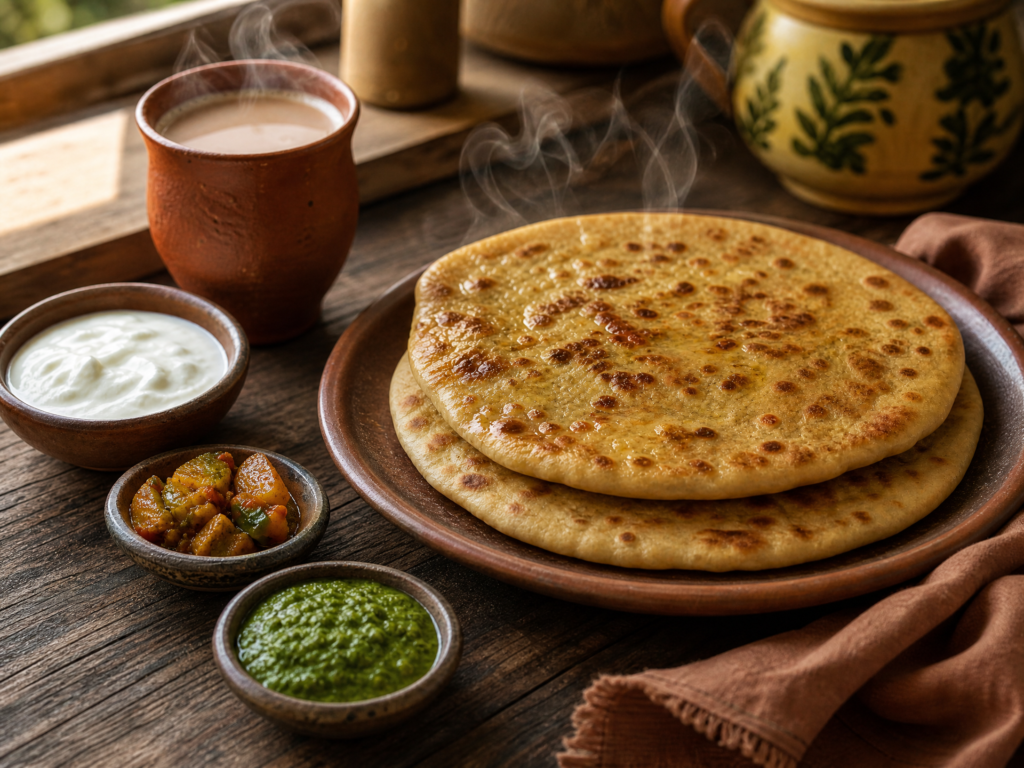
Sattu paratha tastes best straight off the tawa. A spoonful of homemade pickle, chilled curd, fresh coriander chutney, or even plain butter complements it beautifully. Many families enjoy it with a cup of strong masala chai, especially during the rainy season.
Small Details That Make a Big Difference
Most problems with stuffed parathas come down to technique rather than ingredients. – A dough that’s too stiff is difficult to roll and often cracks around the edges. – Overfilling is another common mistake. It might seem like more filling equals more flavor, but it usually leads to tearing. – Medium heat works better than high heat. Cooking too quickly can leave the center undercooked while the outside browns too fast. – And don’t be afraid of using a little ghee. Besides adding flavor, it helps create the crisp, golden surface that makes sattu paratha so satisfying.
Easy Ways to Change It Up
If you enjoy bold flavors, add a little grated garlic or freshly chopped coriander to the filling. A pinch of roasted cumin powder gives it a warmer, smokier taste, while finely chopped green chilies can be increased if you like more heat. Some families also mix in grated radish or finely chopped fresh herbs during winter, giving the stuffing extra freshness without changing its traditional character.
Storing Leftovers
Freshly cooked sattu paratha always tastes best, but leftovers keep surprisingly well. Allow the parathas to cool completely before storing them in an airtight container. They’ll stay fresh in the refrigerator for up to two days. When you’re ready to eat, warm them on a tawa over medium heat instead of using a microwave. A few drops of ghee while reheating bring back much of the crisp texture.
What to Serve With Sattu Paratha
The beauty of this dish is that it doesn’t need an elaborate spread. A bowl of plain curd balances the spices perfectly. Mango pickle or lemon pickle adds a sharp contrast, while fresh coriander chutney brings a bright, herby flavor. During the colder months, many people enjoy it with a cup of masala chai. In summer, chilled buttermilk makes a refreshing companion. Even a small cube of homemade white butter melting over a hot paratha is enough to turn a simple breakfast into something memorable.
A Simple Meal That Never Goes Out of Style
Food trends come and go, but recipes like sattu paratha remain part of everyday kitchens because they’re practical, affordable, and genuinely satisfying. With a handful of pantry ingredients, you can prepare a meal that’s packed with flavor, easy to customize, and filling enough to power a busy day.
If you try this recipe, I’d love to hear how you served it. Did you pair it with curd, pickle, chutney, or something completely different? Every kitchen has its own version, and that’s what makes traditional recipes so special.
Continue Your Sattu Journey
If you enjoy cooking with sattu, don’t stop here.
Our Free 30-Day Desi Smoothie Challenge includes quick Indian smoothie recipes that use everyday ingredients, including a protein-rich Sattu Banana Smoothie that’s ready in under 10 minutes. It’s an easy way to add more nutritious homemade drinks to your routine.
For readers who want even more ideas, the Desi Smoothie Bible features 264 carefully curated smoothie recipes, from traditional Indian favorites to high-protein breakfast blends, refreshing summer drinks, festive recipes, and family-friendly combinations you’ll make again and again.
Whether you’re exploring regional Indian ingredients or simply looking for healthier homemade options, you’ll find plenty of inspiration to keep your kitchen exciting.
And if traditional Indian recipes are your favorite, keep an eye on TastyTykes. New recipes inspired by regional cuisines and forgotten family classics are added regularly, bringing timeless flavors back to everyday cooking.
🛒 Ingredients
🎯 Free 30-Day Desi Smoothie Challenge
A new healthy desi smoothie every day for 30 days. Free on WhatsApp.
📲 Join Free NowPublished on July 11, 2026 · TastyTykes.com