
There is a version of scrambled eggs that most people in India have never tasted, and it comes from a community small enough that you could fit all of them into a mid-sized stadium. Parsis number under a hundred thousand in the entire country. And somehow, this tiny community gave Mumbai’s Irani cafés one of their most requested breakfast orders.
Akuri is not egg bhurji with a fancier name. That is the first thing to get out of the way, because almost everyone assumes it, and almost everyone is wrong.
The Line Between Akuri and Bhurji
Egg bhurji is cooked hard. Dry curds, separated, sometimes almost crumbly. It is delicious, but it is a completely different animal from what you are about to make.
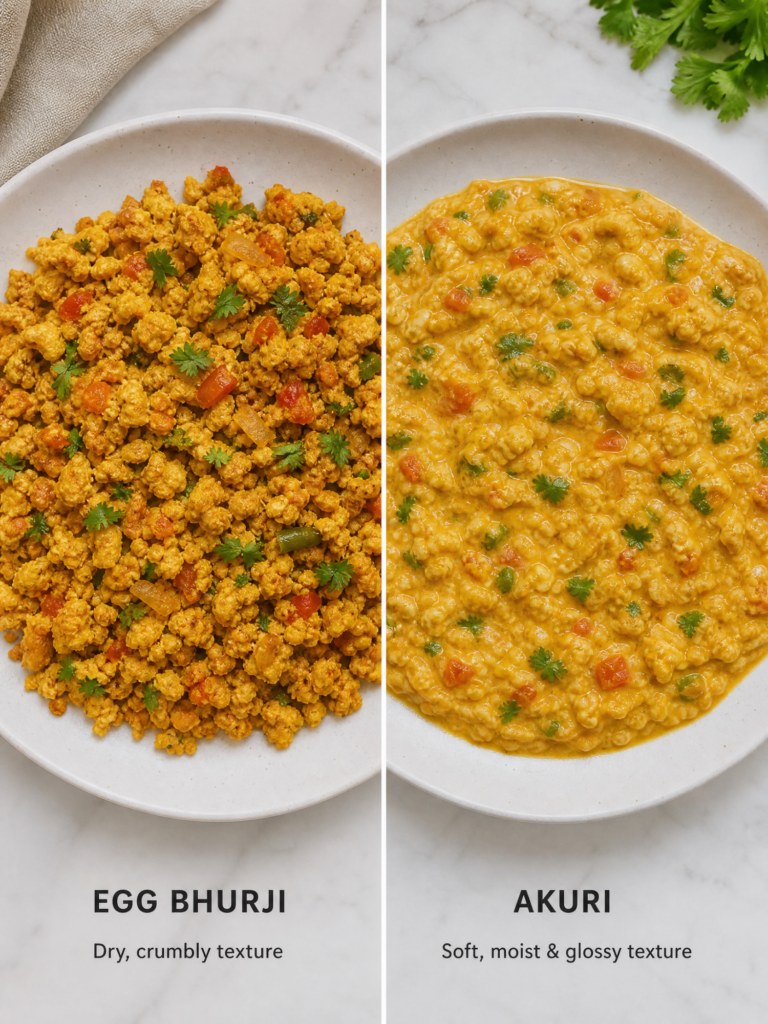
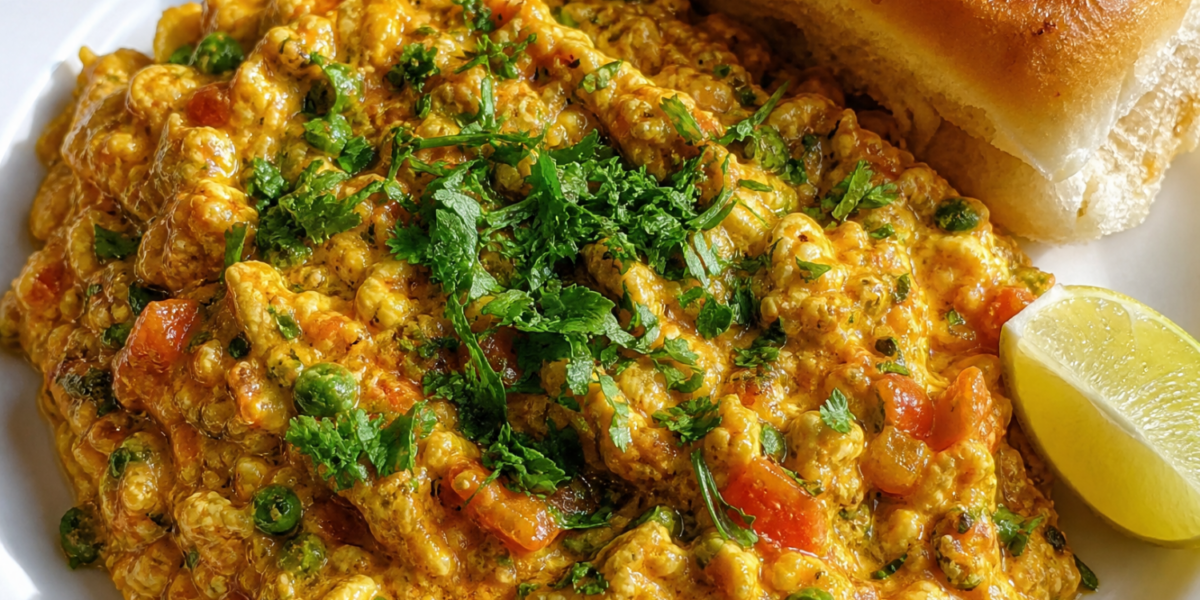
Akuri stays wet. Not runny like a French omelette, but not set like a diner’s scrambled eggs either. Somewhere in between — soft curds that still glisten, that would continue cooking for another thirty seconds if you left the pan on the heat. You take the pan off before that happens. That single decision is what separates a good akuri from a plate of spiced bhurji.
If you have ever ordered akuri at an Irani café and wondered why it tasted so different from the egg bhurji your mother makes, this is why.
Why Parsi Cooking Treats Eggs Differently
Parsi cuisine has an unusually close relationship with eggs. Most Indian communities reserve egg dishes for breakfast, maybe a quick dinner when nothing else is in the fridge. Parsis put eggs into festive dishes, into dinner party spreads, onto vegetables as a finishing touch. Akuri is the simplest expression of that relationship — eggs treated as the main event, not the backup plan.
The dish likely developed inside Irani cafés, the small tea-and-bun establishments that Zoroastrian immigrants opened across Mumbai starting in the early 1900s. These cafés needed something fast, filling, and cheap to serve alongside bread and chai. Eggs, onions, and whatever spices were on hand did the job. What started as café food eventually made its way into home kitchens across the community, and from there, onto the menus of restaurants far beyond Mumbai.
What You Will Need
- 4 large eggs
- 2 tablespoons milk or cream
- 1 small onion, finely chopped
- 1 small tomato, deseeded and finely chopped
- 1-2 green chilies, finely chopped
- ¼ teaspoon cumin seeds
- ¼ teaspoon turmeric powder
- 2 tablespoons butter or oil, divided
- Salt to taste
- 2 tablespoons fresh coriander leaves, chopped
- Buttered toast or pav, for serving
A note on the tomato: deseeding it matters more than it sounds like it should. The seeds and surrounding liquid carry excess moisture, and that moisture is exactly what turns your akuri watery instead of creamy. Scoop it out, keep only the flesh.
Before The Eggs Even Touch The Pan
Whisk the eggs with the milk, a pinch of salt, in a bowl set aside near your stove. Not aggressively — you want the yolks and whites combined, not a frothy mess with air bubbles. Overbeaten eggs cook up tougher, and toughness is the opposite of what akuri is supposed to be.
Everything after this point moves fast. Have your toast ready before you turn on the flame. Akuri does not wait for you to butter bread while it sits in the pan.
Building The Base
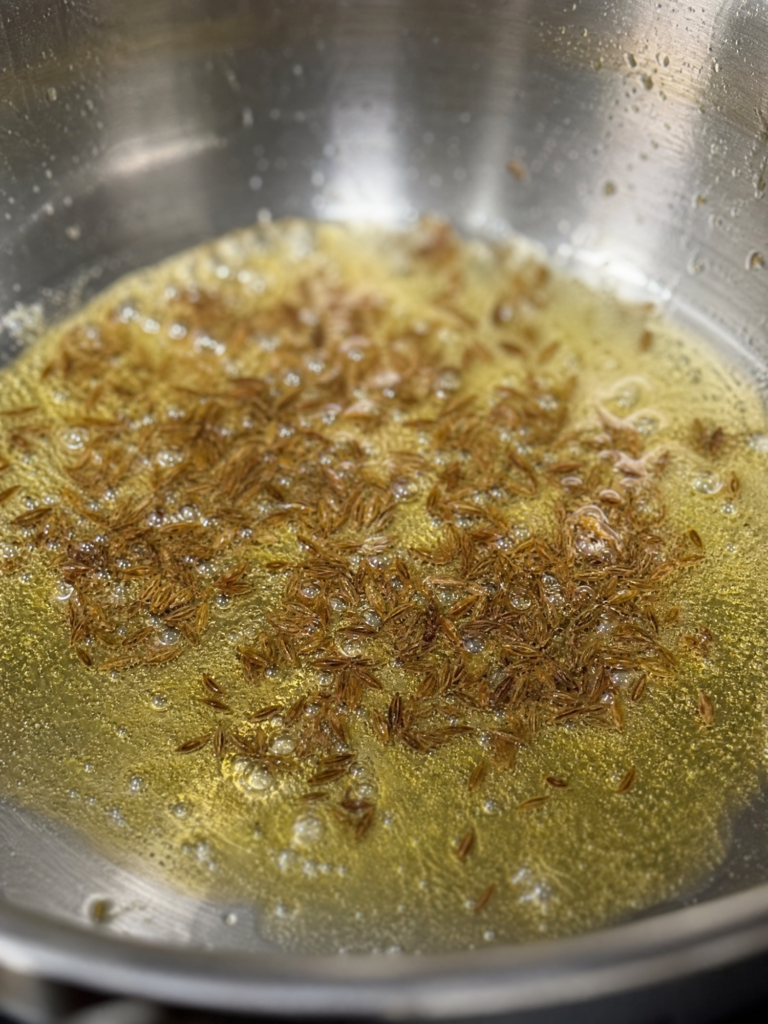
Heat half the butter in a wide, heavy-bottomed pan over medium heat. Once it melts and starts to foam slightly, add the cumin seeds. They should darken within seconds and release that toasted, slightly nutty smell — if they sit too long, they turn bitter, so keep your eyes on the pan here rather than reaching for another ingredient.
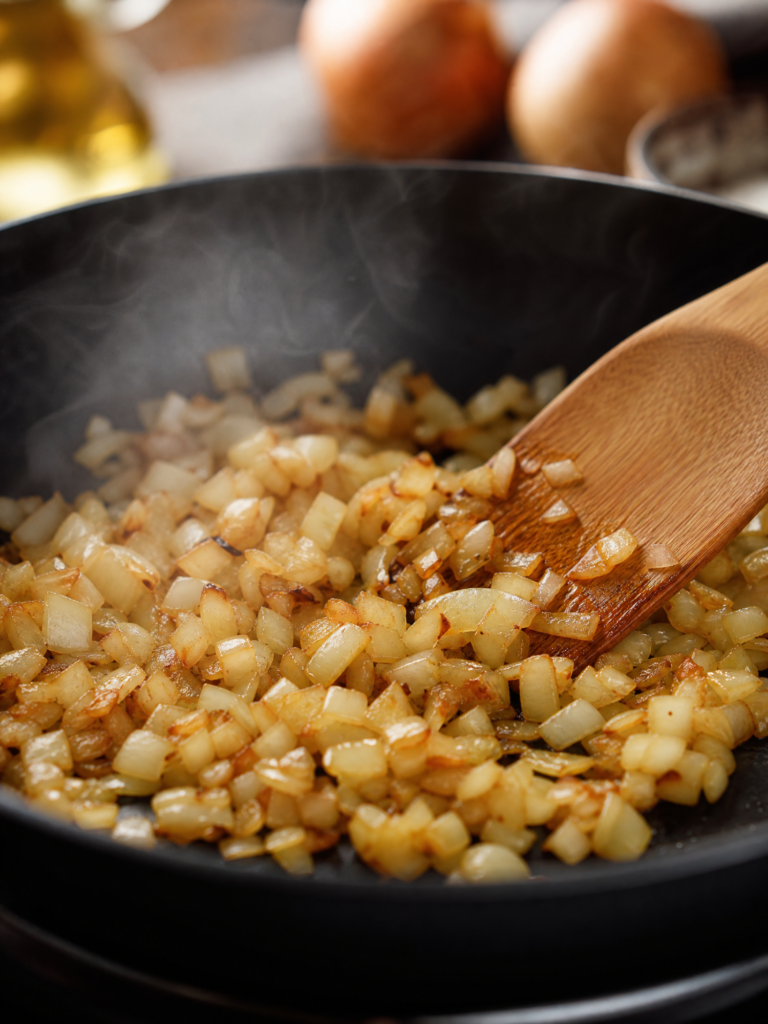
Add the onions with a pinch of salt. Cook until the edges just begin to turn golden, not fully browned. This takes four to five minutes of occasional stirring. The salt at this stage pulls moisture out of the onions, which speeds up the softening and stops them from tasting raw underneath a cooked exterior.
Add the green chilies and turmeric, stir for thirty seconds until the raw smell of turmeric fades, then add the tomato. Cook until the tomato breaks down into the onions and loses its distinct shape — you are looking for a soft, jammy base, not visible tomato chunks.
The Part Where Most People Get It Wrong
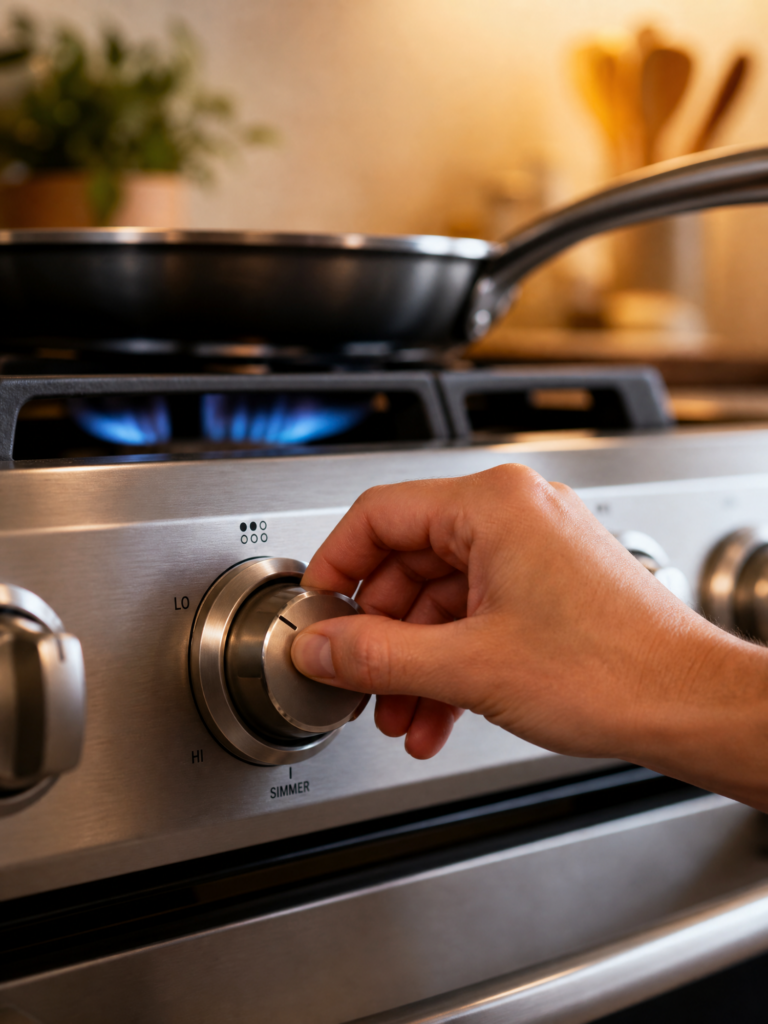
Turn the heat down to low. Not medium-low — low. This is the step nearly every rushed version of this recipe skips, and it is the entire reason restaurant akuri tastes different from a home attempt gone wrong.
Pour in the whisked eggs. Let them sit undisturbed for about a minute before you touch them. You will see the edges just begin to set while the center still looks wet.
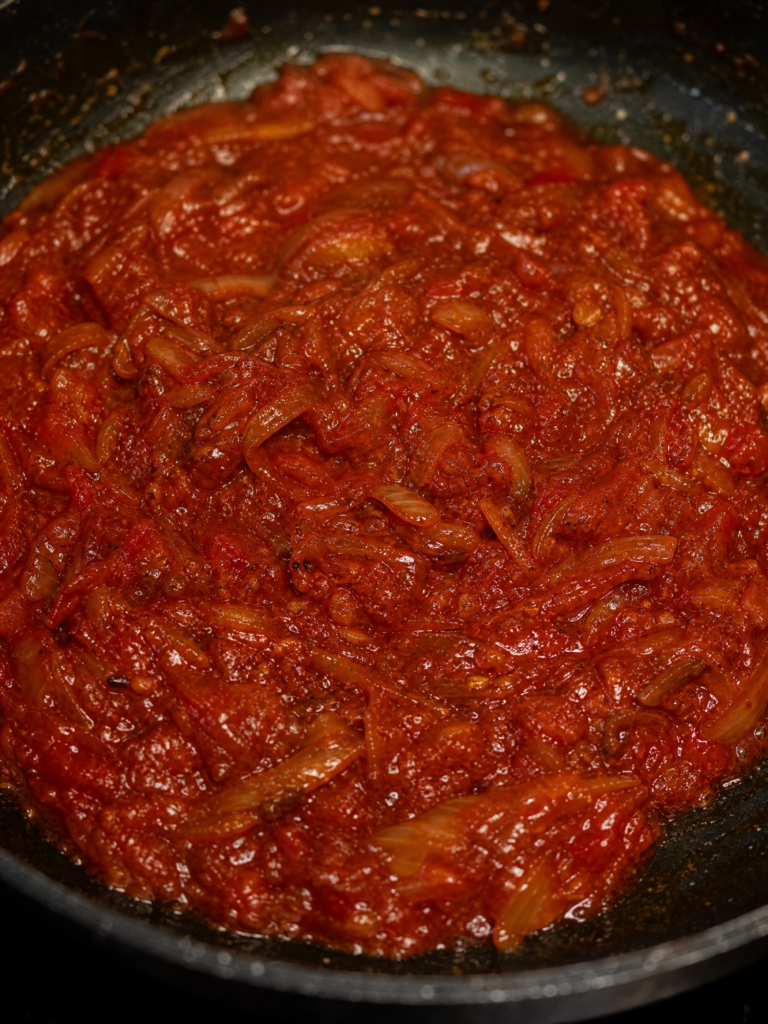
Now, with a spatula, push the eggs gently from the edges toward the center. Slow, wide movements. Not the fast scrambling motion you would use for a quick weekday breakfast. Let curds form naturally rather than breaking them apart constantly.

Continue this gentle folding for two to three minutes. The eggs should look like they are just barely holding together — soft curds surrounded by eggs that still have a slight sheen to them. If everything looks fully cooked and matte in the pan, you have already gone too far.
The Moment You Take It Off The Heat
Add the remaining butter and the chopped coriander now, off the heat or with the flame already switched off. Stir once, gently, to melt the butter through.
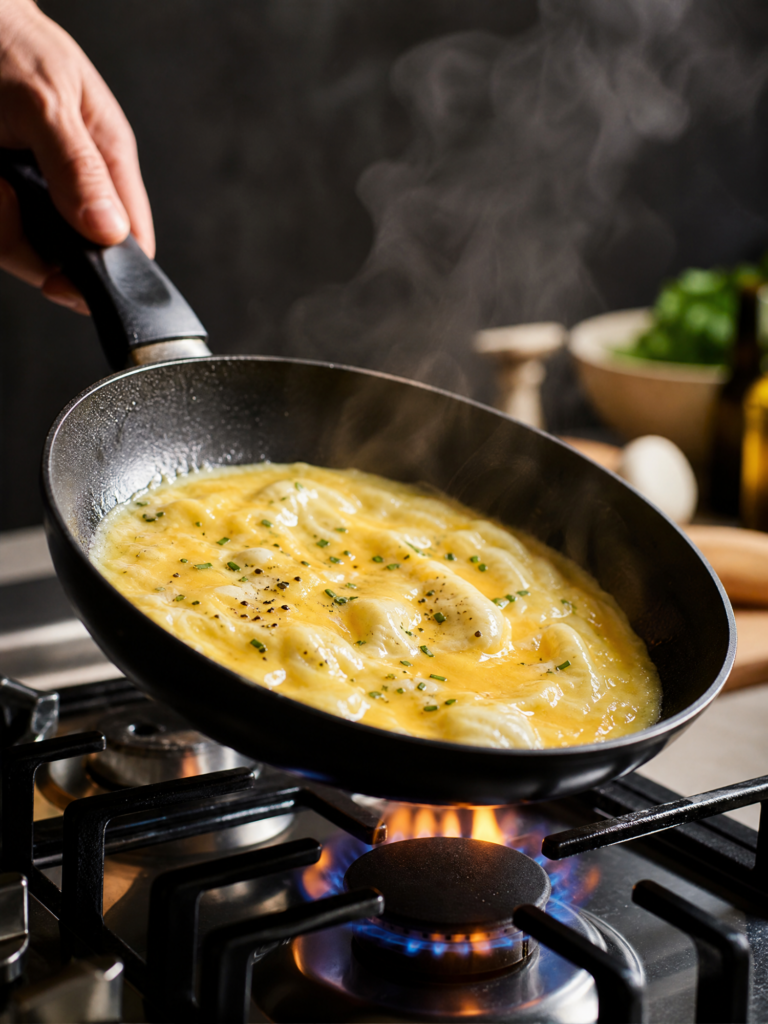
Here is what almost nobody tells you: the eggs continue cooking from residual heat for another thirty to sixty seconds after you remove the pan. If the akuri looks perfectly done while it’s still in the pan, it will be overdone by the time it reaches the plate. Pull it while it still looks slightly underdone and slightly glossy. Trust the process, not your eyes in that exact moment.
Serving It The Way Irani Cafés Do
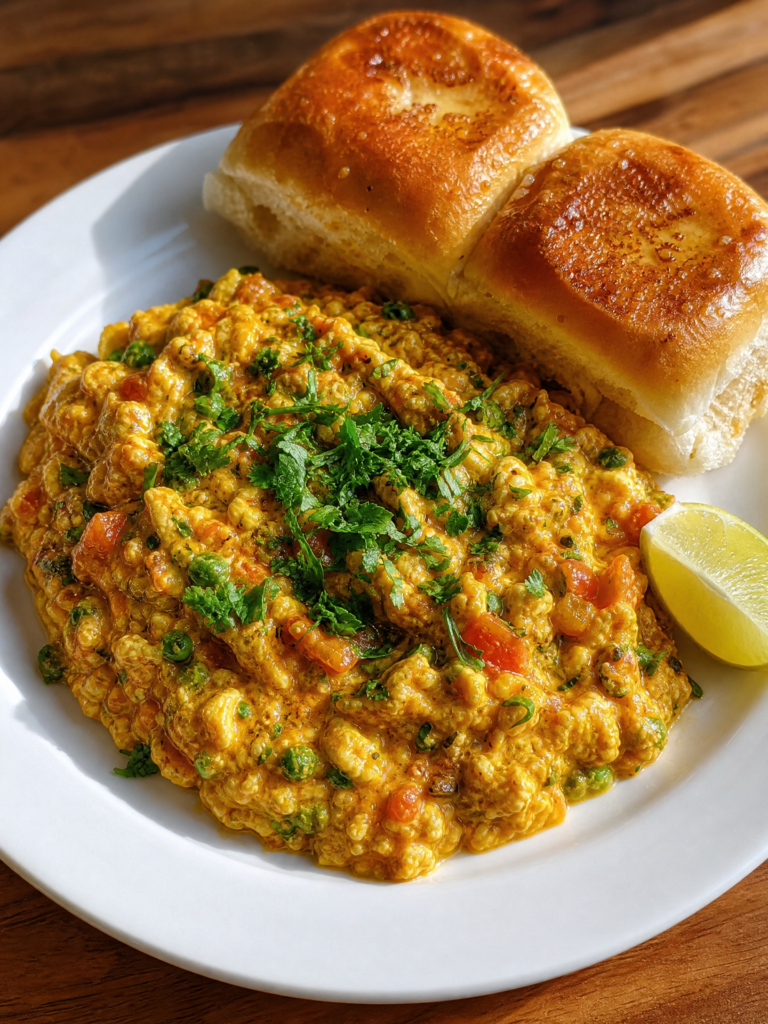
Pav — the soft, slightly sweet bread roll — is the traditional pairing. If you cannot find pav, a soft dinner roll or a slice of good bread, buttered while still warm, works as a close substitute. Toast it lightly, enough to add a little structure without turning it crisp; you want something that can soak up a bit of the eggs without falling apart.
A squeeze of lemon over the top right before eating cuts through the richness of the butter and eggs. It is optional, but once you try it this way, you will probably keep doing it.
If Your Batch Doesn’t Turn Out Right
Watery instead of creamy: the tomato likely wasn’t deseeded properly, or the pan was too crowded and the eggs steamed instead of gently cooking.
Rubbery, not soft: the heat was too high at the egg stage, or the pan sat on the flame for thirty seconds too long after the eggs looked “almost done.”
Tastes flat: the onions were not cooked long enough before the tomato went in — that early caramelization is where a lot of the depth comes from, and rushing it shows up in the final flavor.
A Version For Winter
If you happen to have leela lassan — green garlic, sold only in the colder months — a generous handful chopped and added along with the onions turns this into leela lassan ni akuri, a seasonal variation many Parsi households wait all year for. The green garlic adds a milder, sweeter allium flavor than regular garlic, and it is worth seeking out if you see it at an Indian grocery store between November and February.
Try this recipe this weekend, when you have a few unhurried minutes and can actually pay attention to the pan instead of rushing through it. Let me know in the comments how your batch turned out, and whether you noticed the difference low heat makes compared to your usual scrambled eggs.
🟢 Free 30-Day Desi Smoothie Challenge
If mastering technique in the kitchen is your thing, you will enjoy our 30-Day Desi Smoothie Challenge too. It is completely free.
Every day for 30 days, get a new desi smoothie recipe — simple, healthy, and under 10 minutes each.
👉 Join the Free 30-Day Desi Smoothie Challenge here
Or join our WhatsApp Channel for daily desi recipes and updates.
👉 Join our WhatsApp Channel here
Want 264 More Desi Smoothie Recipes?
Get the complete Desi Smoothie Bible — 264 desi smoothie recipes covering classic Indian flavors, protein shakes, detox blends, and more. Every recipe is simple, quick, and made with ingredients you can find easily.
👉 Get the Desi Smoothie Bible here
Exploring more regional Indian dishes? We are working through Bihari, Parsi, and Northeast Indian cuisine one recipe at a time — check back weekly for new additions on TastyTykes.com
🛒 Ingredients
🎯 Free 30-Day Desi Smoothie Challenge
A new healthy desi smoothie every day for 30 days. Free on WhatsApp.
📲 Join Free NowPublished on July 15, 2026 · TastyTykes.com